


- Joined
- Oct 12, 2023
- Messages
- 183
- Reaction score
- 35
The domain extension is just as important as the name of a website. It affects how users perceive your website; whether they trust it, whether they understand your business, and how easy it is for them to remember it. There are many extensions that you can choose, and each serves its own purpose. The classic .com remains popular, but alternative extensions are gaining interest, including .it.com, which offers the best of both worlds, .com credibility, accessibility of a wide variety of names and IT affiliation. What kind of extension is this? What features does it offer? And what type of business is it best suited for? Let’s find out together.
A domain extension, also known as a suffix or zone, is the part that completes a domain, e.g. domainname.domainextension. Most often when we talk about a domain extension, we mean a top-level domain (TLD) (e.g., .com). However, DNS (domain name system) can also include extensions based on second-level domains (e.g., .it.com), which function in a similar way as TLDs.
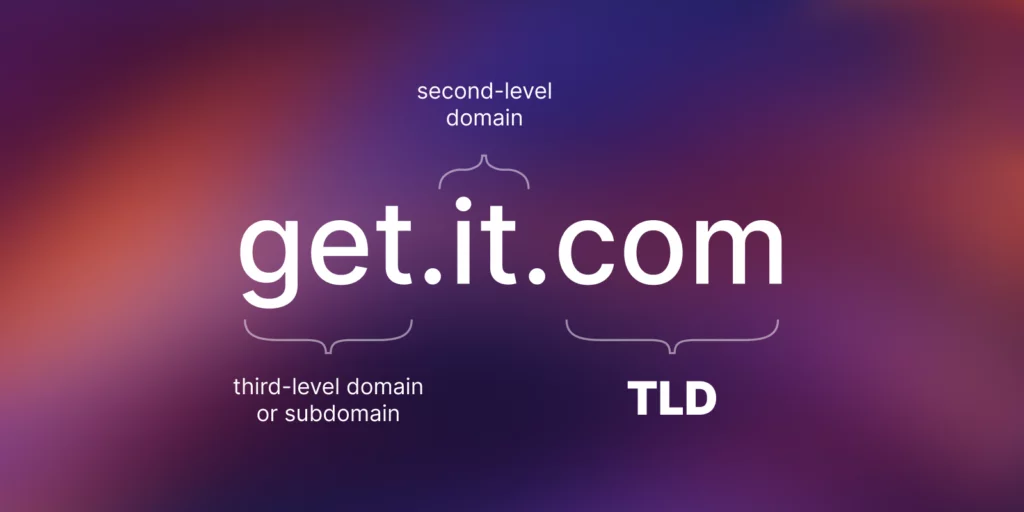
A TLD is the highest level in the DNS. It is the part that comes after the dot in a domain name.
There are several types of TLDs:
1. Country Code TLDs (ccTLDs)
These are two-letter domains tied to a specific country and conforming to the ISO (International Organization for Standardization) code:
2. Generic Top Level Domains (gTLDs)
Classic generic domain zones are available for registration by anyone. gTLDs are not geographically bound and are used for everything from commercial websites to personal projects:
3. Infrastructure Top Level Domains (arpa)
This category includes one domain extension — .arpa.
It is used exclusively for the technical infrastructure of the Internet and is controlled by IANA (Internet Assigned Numbers Authority, a division of ICANN).
4. Sponsored Top Level Domains (sTLDs)
These are extensions that are managed by specialized organizations that set the rules of use. Registration is available only to applicants who meet the criteria established by managing organisations:
5. New gTLDs (new top-level domains)
These are extensions created in recent years as part of ICANN’s large-scale program to increase the number of available domains. They offer greater branding opportunities, as they directly reflect the theme or focus of a project:
6. Internationalized Top Level Domains (IDNs)
These are domains written in non-Latin alphabets, such as Cyrillic, Arabic, and Chinese characters, etc.,. They allow the domain name to be displayed in the original script of a country or language.
A second-level domain often functions as a full, stand-alone domain name (e.g., it.com), but it can also act as a domain extension. Domain names registered with these suffixes are called third-level domains or subdomains (e.g., get.it.com).
Domain extensions derived from second-level domains are offered by registries or independent operators and are used alongside traditional TLDs:
The variety of domain extensions and formats offers greater freedom when choosing a website name, but some may find the range of options overwhelming. To understand which are truly worth considering, it helps to consider some specific examples of modern domain extensions.
Let’s take a closer look at .it.com, a versatile extension suitable for tech projects, businesses in Italy, and anyone looking for a unique and memorable domain.
The .it.com extension is a young but already quite popular domain extension. By October 2025, it had already surpassed more than 100,000 active domain registrations. It offers all the same benefits, security guarantees, and features as traditional TLDs. Sedo & InterNetX, in their 2023 Global Domain Report, mentioned .it.com extension as worthy of consideration.
Like TLDs, the .it.com domain extension complies with all Corporation for Assigned Names and Numbers (ICANN) rules. ICANN is a non-profit organization that maintains the reliability and stability of the Internet, as well as coordinating technical functions related to DNS management. The company it.com Domains (the registry of the .it.com extension) has International Organization for Standardization (ISO) 27001 certification and is a Blue Member of the DNS Operations, Analysis, and Research Center (DNS-OARC), an international organization where DNS operators and researchers collaborate to improve resilience and performance.
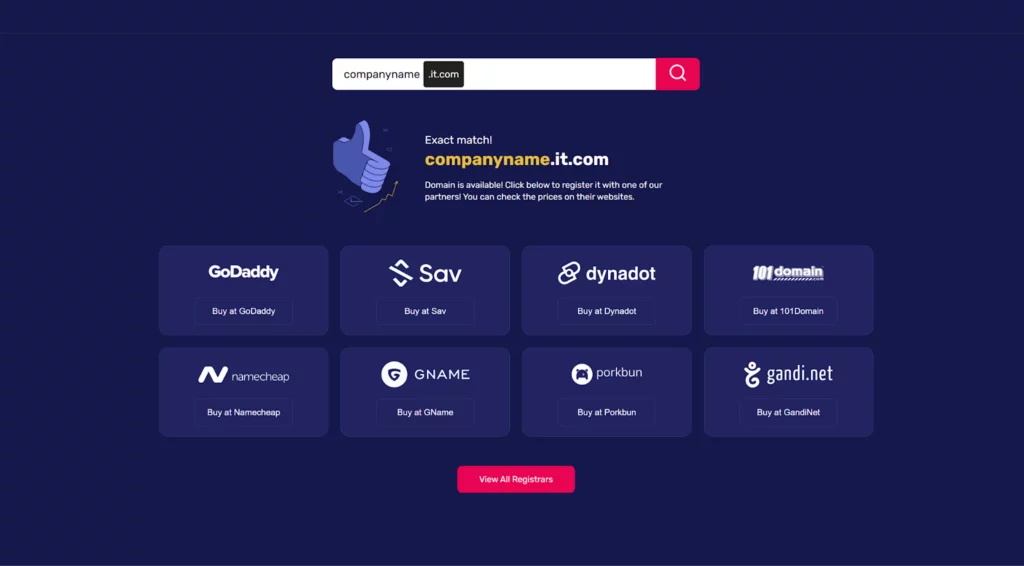
The company now works with more than 50 registrars worldwide — including GoDaddy, Namecheap, Dynadot, Porkbun, and CentralNic — giving millions of users easy access to .it.com names.
All this makes .it.com a reliable domain extension that fully complies with international standards. However, for most projects, it’s not just compliance and infrastructure scale that matter, but also the practical benefits the domain brings to the business and brand.
Key features of the .it.com extension:
To better understand when .it.com is the optimal solution, let’s compare it to popular and frequently used domain extensions such as .com, .io, .ai, and .blog.
The .it.com extension strikes a balance between the classic .com and niche technology domains, remaining versatile and not limiting the project’s future development.
You can either register an .it.com domain on official registrars’ websites that represent this suffix, or through it.com Domains. It’s quite simple:
1. Choose a domain name that’s suitable for your website. It’s best if your name is easy to remember and reflects your company name or industry. If you’re having trouble choosing a domain name, you can find inspiration on our blog or use any AI domain name generator.
2. Go to get.it.com and enter your desired name in the search bar.
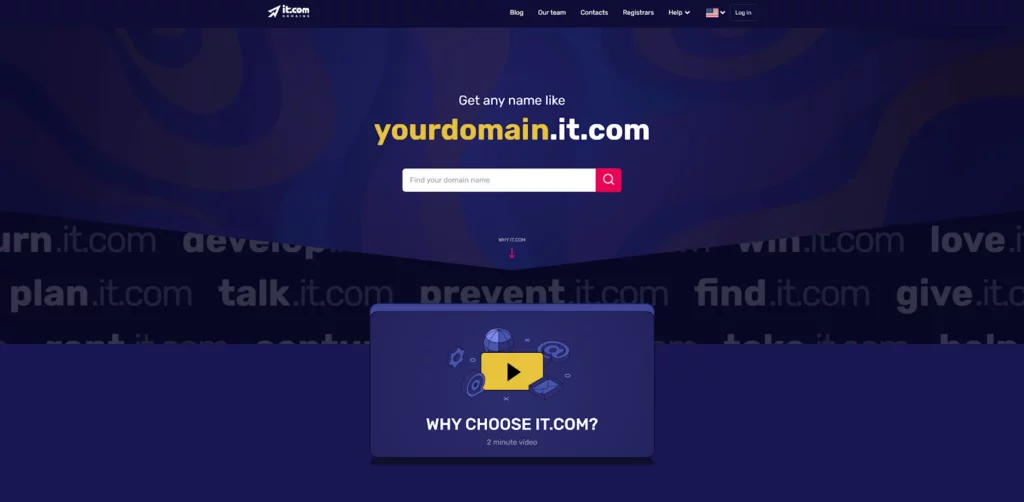
3. The site will indicate whether your desired domain is available. If so, it will display a list of registrars where it can be registered.
4. Go to the website of the preferred registrar and register the domain (usually this requires filling out your personal or company data and making a payment. However, each registrar may have its own domain registration process. We recommend reviewing this directly on their website).
5. Configure DNS and connect the domain to your website or hosting.
6. Done! You have the .it.com domain.
Understanding the differences between domain extensions is only the first step. The final choice, however, always depends on the project’s specific goals and how the domain will be used in practice.
Let’s consider the main scenarios in which using the .it.com extension makes the most sense:
Integral Tech IT
integral.it.com
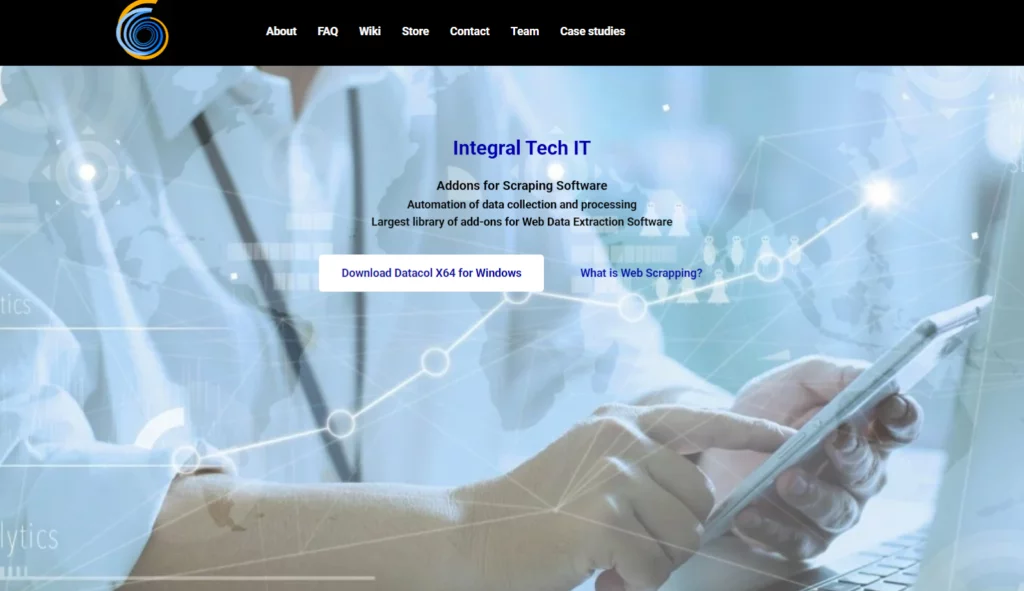
Integral Tech IT is a company that specializes in add-ons for scraping software. These add-ons allow you to automate the process of collecting and processing data from websites. They have the largest library of add-ons for web data extraction software.
The company’s domain name fits perfectly with the .it.com extension, as it indicates the company is focused on IT-related products and services.
RTK
rtk.it.com
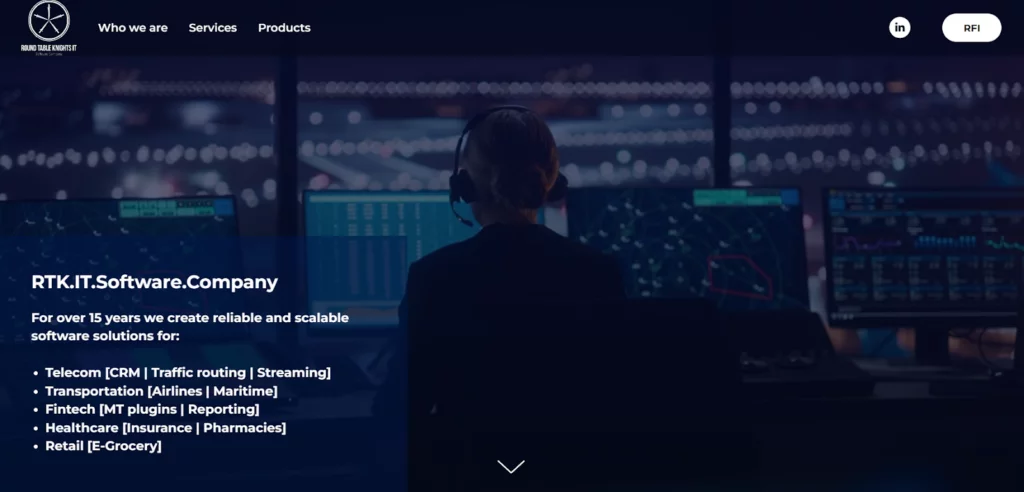
RTK is a company from Cyprus that develops software solutions for various industries such as telecommunications, transportation, finance, healthcare, and retail.
A domain name in the .it.com extension helps users quickly identify the company's focus on IT, and also contains the name of the brand — RTK IT.
Delta Soft
deltasoft.it.com
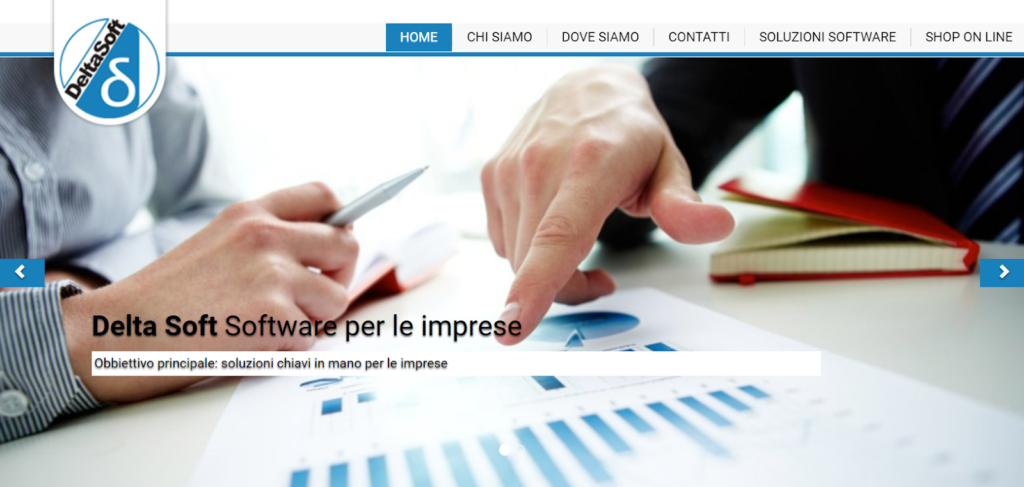
Delta Soft is an Italian software company.
The website’s domain name, with the .it.com extension, perfectly aligns with the company's IT background and ties it to the Italian market.
Primafila
primafila.it.com
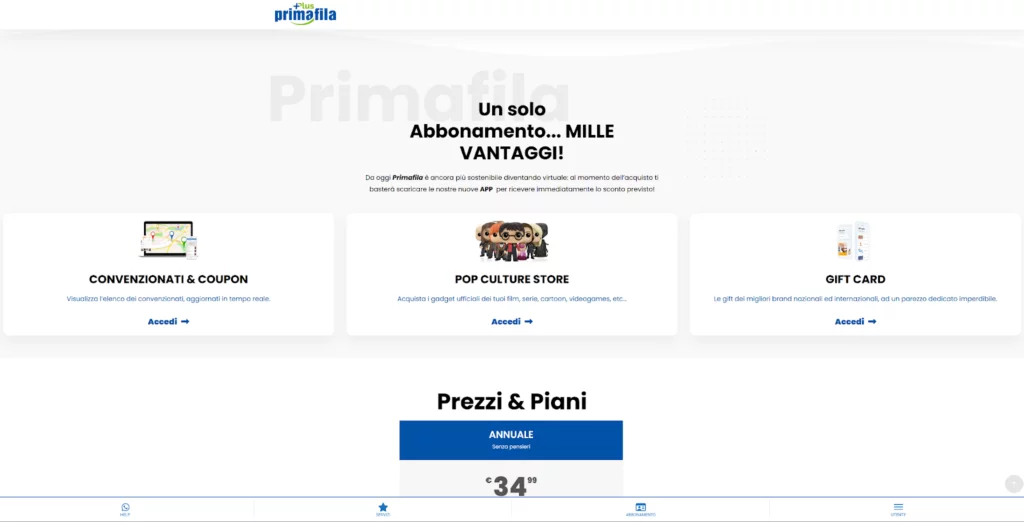
Primafila is an online platform where users can buy clothes, articles of pop culture, gift cards, and also order food, book travel, and more.
It’s a great example of how .it.com extension is perfect for Italian entrepreneurs. It instantly lets users know where the business is located.
Tekne
tekne.it.com
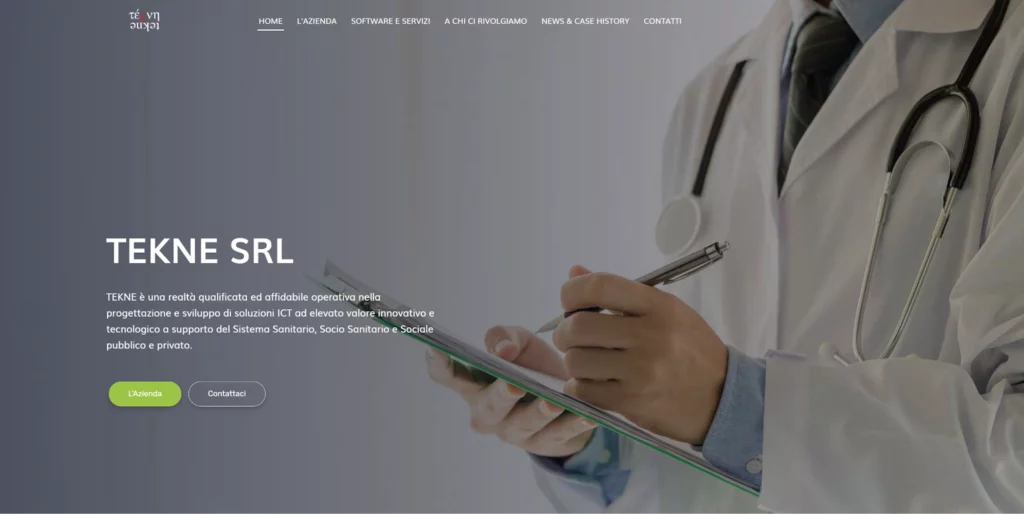
Tekne is an Italian company that develops ICT (information and communication technology) solutions to support public and private healthcare, social, and welfare systems.
Previously, the company’s website was hosted on a different domain. However, adding the .it.com extension to Tekne’s web address enabled a more comprehensive display of the company’s location and its connection to IT technologies.
Keep Up

keepup.it.com
Keep Up is an IT company that provides telephony, hosting, and cloud services.
The company’s domain name, with the .it.com extension, is a perfect fit. It incorporates the domain hack (keep up it), and also indicates the company’s connection to the IT industry. Additionally, the part with the ‘it’ also suggests the company’s home country of Italy.
TOR
love.it.com
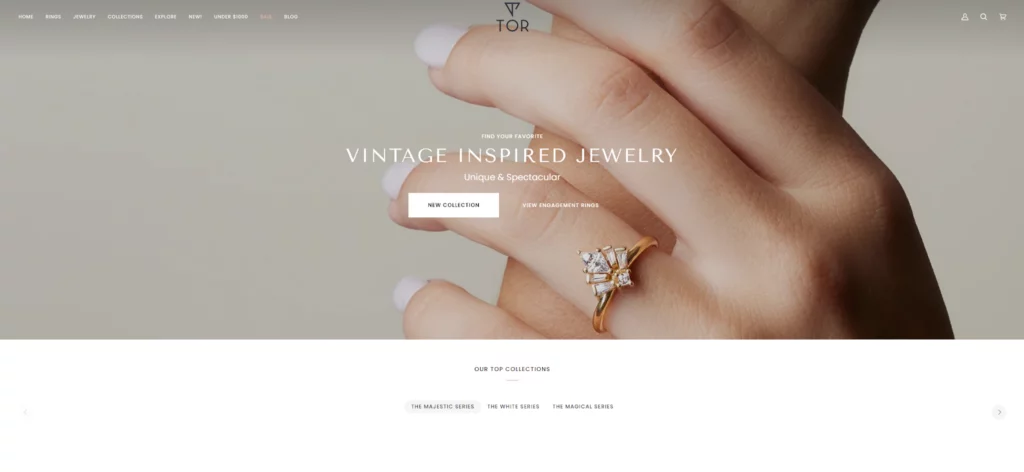
TOR is a jewelry company from the USA.
The company registered a domain with the .it.com extension in addition to its main domain name. This increased its visibility among potential clients. Furthermore, the .it.com domain extension enabled a clever domain hack in the website name, incorporating the phrase ‘love it,’ which reflects customer reactions to TOR jewelry.
Choosing a domain extension is an essential step that helps you strengthen your online brand. While traditional extensions like .com remain popular, they are often limited in availability and may not meet the needs of all modern projects. Therefore, it’s worth considering other domain extensions.
The .it.com extension combines the recognition and trust associated with .com with greater naming flexibility, a strong connection to the IT industry, and full compatibility with modern internet infrastructure. Whether you’re launching a technology-focused product, building a global business, representing an Italian brand, or seeking a creative and memorable domain name, .it.com provides a modern, forward-looking foundation for your online presence.
What is a .it.com extension?
It’s a universal extension that combines ‘.it’ and ‘.com,’ creating a convenient, recognizable format for technical, Italian, and international projects.
Who can register the .it.com domain?
Anyone can do it. There are no restrictions on citizenship, place of registration, or industry.
How secure is .it.com?
It fully supports modern security standards such as DNSSEC (Domain Name System Security Extensions), which protects DNS records from tampering, and SSL certificates. As a result, websites using the .it.com extension can enable HTTPS (HyperText Transfer Protocol Secure) encryption, safeguard user data, and meet current security and browser trust requirements.
Want to know more about domain name strategies for your business? Visit it.com Domains blog and follow us on social media.
Continue reading on the it.com Domains blog...
What Is a Domain Extension?
A domain extension, also known as a suffix or zone, is the part that completes a domain, e.g. domainname.domainextension. Most often when we talk about a domain extension, we mean a top-level domain (TLD) (e.g., .com). However, DNS (domain name system) can also include extensions based on second-level domains (e.g., .it.com), which function in a similar way as TLDs.

TLD
A TLD is the highest level in the DNS. It is the part that comes after the dot in a domain name.
There are several types of TLDs:
1. Country Code TLDs (ccTLDs)
These are two-letter domains tied to a specific country and conforming to the ISO (International Organization for Standardization) code:
- .us — USA
- .it — Italy
- .de — Germany
2. Generic Top Level Domains (gTLDs)
Classic generic domain zones are available for registration by anyone. gTLDs are not geographically bound and are used for everything from commercial websites to personal projects:
- .com
- .org
- .info
- .net
3. Infrastructure Top Level Domains (arpa)
This category includes one domain extension — .arpa.
It is used exclusively for the technical infrastructure of the Internet and is controlled by IANA (Internet Assigned Numbers Authority, a division of ICANN).
4. Sponsored Top Level Domains (sTLDs)
These are extensions that are managed by specialized organizations that set the rules of use. Registration is available only to applicants who meet the criteria established by managing organisations:
- .edu — educational institutions
- .gov — US government agencies
5. New gTLDs (new top-level domains)
These are extensions created in recent years as part of ICANN’s large-scale program to increase the number of available domains. They offer greater branding opportunities, as they directly reflect the theme or focus of a project:
- .blog — for blogs and media
- .shop — for e-commerce
- .online, .site — universal new domains
- .app — for applications and digital projects
- .tech — for technology companies
6. Internationalized Top Level Domains (IDNs)
These are domains written in non-Latin alphabets, such as Cyrillic, Arabic, and Chinese characters, etc.,. They allow the domain name to be displayed in the original script of a country or language.
Second-level Domain
A second-level domain often functions as a full, stand-alone domain name (e.g., it.com), but it can also act as a domain extension. Domain names registered with these suffixes are called third-level domains or subdomains (e.g., get.it.com).
Domain extensions derived from second-level domains are offered by registries or independent operators and are used alongside traditional TLDs:
- .co.uk — for projects in the UK (made from ccTLD of UK)
- .com.au — an option in Australia (made from ccTLD of Australia)
- .gov.uk — for UK government agencies
- .it.com — a modern domain extension for different projects,
- etc.
The variety of domain extensions and formats offers greater freedom when choosing a website name, but some may find the range of options overwhelming. To understand which are truly worth considering, it helps to consider some specific examples of modern domain extensions.
Let’s take a closer look at .it.com, a versatile extension suitable for tech projects, businesses in Italy, and anyone looking for a unique and memorable domain.
The .it.com Extension and Its Features
The .it.com extension is a young but already quite popular domain extension. By October 2025, it had already surpassed more than 100,000 active domain registrations. It offers all the same benefits, security guarantees, and features as traditional TLDs. Sedo & InterNetX, in their 2023 Global Domain Report, mentioned .it.com extension as worthy of consideration.
Security
Like TLDs, the .it.com domain extension complies with all Corporation for Assigned Names and Numbers (ICANN) rules. ICANN is a non-profit organization that maintains the reliability and stability of the Internet, as well as coordinating technical functions related to DNS management. The company it.com Domains (the registry of the .it.com extension) has International Organization for Standardization (ISO) 27001 certification and is a Blue Member of the DNS Operations, Analysis, and Research Center (DNS-OARC), an international organization where DNS operators and researchers collaborate to improve resilience and performance.
Availability
The company now works with more than 50 registrars worldwide — including GoDaddy, Namecheap, Dynadot, Porkbun, and CentralNic — giving millions of users easy access to .it.com names.
Advantages
All this makes .it.com a reliable domain extension that fully complies with international standards. However, for most projects, it’s not just compliance and infrastructure scale that matter, but also the practical benefits the domain brings to the business and brand.
Key features of the .it.com extension:
- ‘IT’ is associated with information technology, making the extension particularly attractive to tech companies.
- ‘It’ can be associated with Italy.
- It can be used as a domain hack to create memorable domains like do.it.com.
- Provides greater name availability in comparison with other popular extensions such as .com.
- Supports all SSL certificates for secure and trusted connections.
Comparison of the .it.com with Other Extensions
To better understand when .it.com is the optimal solution, let’s compare it to popular and frequently used domain extensions such as .com, .io, .ai, and .blog.
| Extension | Basic positioning | Availability of domain names | Flexibility of use | When to choose |
| .com | Classic universal domain suffix | Low — most short and memorable domain names are taken | Maximum | You need a universal domain for the global market |
| .io | Startups and tech projects | Average | Average | For niche tech startups |
| .ai | Artificial intelligence and machine learning | Average | Narrow | For AI-related projects |
| .blog | Content and media | High | Low | For blogs and content platforms |
| .it.com | Combining .com trust with technology affiliation or Italy | High | Very high | For IT and Italian projects, or a memorable domain hack that will reflect your brand. |
The .it.com extension strikes a balance between the classic .com and niche technology domains, remaining versatile and not limiting the project’s future development.
How to Register a Domain with the .it.com Extension
You can either register an .it.com domain on official registrars’ websites that represent this suffix, or through it.com Domains. It’s quite simple:
1. Choose a domain name that’s suitable for your website. It’s best if your name is easy to remember and reflects your company name or industry. If you’re having trouble choosing a domain name, you can find inspiration on our blog or use any AI domain name generator.
2. Go to get.it.com and enter your desired name in the search bar.

3. The site will indicate whether your desired domain is available. If so, it will display a list of registrars where it can be registered.

4. Go to the website of the preferred registrar and register the domain (usually this requires filling out your personal or company data and making a payment. However, each registrar may have its own domain registration process. We recommend reviewing this directly on their website).
5. Configure DNS and connect the domain to your website or hosting.
6. Done! You have the .it.com domain.
Use Cases
Understanding the differences between domain extensions is only the first step. The final choice, however, always depends on the project’s specific goals and how the domain will be used in practice.
Let’s consider the main scenarios in which using the .it.com extension makes the most sense:
IT companies
Integral Tech IT

integral.it.com
Integral Tech IT is a company that specializes in add-ons for scraping software. These add-ons allow you to automate the process of collecting and processing data from websites. They have the largest library of add-ons for web data extraction software.
The company’s domain name fits perfectly with the .it.com extension, as it indicates the company is focused on IT-related products and services.
RTK

rtk.it.com
RTK is a company from Cyprus that develops software solutions for various industries such as telecommunications, transportation, finance, healthcare, and retail.
A domain name in the .it.com extension helps users quickly identify the company's focus on IT, and also contains the name of the brand — RTK IT.
Delta Soft

deltasoft.it.com
Delta Soft is an Italian software company.
The website’s domain name, with the .it.com extension, perfectly aligns with the company's IT background and ties it to the Italian market.
Italian business
Primafila

primafila.it.com
Primafila is an online platform where users can buy clothes, articles of pop culture, gift cards, and also order food, book travel, and more.
It’s a great example of how .it.com extension is perfect for Italian entrepreneurs. It instantly lets users know where the business is located.
Tekne

tekne.it.com
Tekne is an Italian company that develops ICT (information and communication technology) solutions to support public and private healthcare, social, and welfare systems.
Previously, the company’s website was hosted on a different domain. However, adding the .it.com extension to Tekne’s web address enabled a more comprehensive display of the company’s location and its connection to IT technologies.
Domain hacks
Keep Up

keepup.it.com
Keep Up is an IT company that provides telephony, hosting, and cloud services.
The company’s domain name, with the .it.com extension, is a perfect fit. It incorporates the domain hack (keep up it), and also indicates the company’s connection to the IT industry. Additionally, the part with the ‘it’ also suggests the company’s home country of Italy.
TOR

love.it.com
TOR is a jewelry company from the USA.
The company registered a domain with the .it.com extension in addition to its main domain name. This increased its visibility among potential clients. Furthermore, the .it.com domain extension enabled a clever domain hack in the website name, incorporating the phrase ‘love it,’ which reflects customer reactions to TOR jewelry.
Choosing a domain extension is an essential step that helps you strengthen your online brand. While traditional extensions like .com remain popular, they are often limited in availability and may not meet the needs of all modern projects. Therefore, it’s worth considering other domain extensions.
The .it.com extension combines the recognition and trust associated with .com with greater naming flexibility, a strong connection to the IT industry, and full compatibility with modern internet infrastructure. Whether you’re launching a technology-focused product, building a global business, representing an Italian brand, or seeking a creative and memorable domain name, .it.com provides a modern, forward-looking foundation for your online presence.
FAQ
What is a .it.com extension?
It’s a universal extension that combines ‘.it’ and ‘.com,’ creating a convenient, recognizable format for technical, Italian, and international projects.
Who can register the .it.com domain?
Anyone can do it. There are no restrictions on citizenship, place of registration, or industry.
How secure is .it.com?
It fully supports modern security standards such as DNSSEC (Domain Name System Security Extensions), which protects DNS records from tampering, and SSL certificates. As a result, websites using the .it.com extension can enable HTTPS (HyperText Transfer Protocol Secure) encryption, safeguard user data, and meet current security and browser trust requirements.
Want to know more about domain name strategies for your business? Visit it.com Domains blog and follow us on social media.
Continue reading on the it.com Domains blog...

