



- Joined
- Oct 12, 2023
- Messages
- 208
- Reaction score
- 39
A landing page is simply a focused web page built for one goal, usually tied to an ad, email, social campaign, or product offer. See how they work in practical marketing.
This guide explains what a landing page is, how landing pages for marketing differ from regular website pages, what a good one looks like, and how businesses often build them without turning the process into a small drama.
A landing page is a standalone page designed to guide visitors toward one action. That action might be filling out a form, booking a demo, downloading a guide, joining a waitlist, or buying a product. Unlike a homepage, which usually tries to do several jobs at once, a landing page keeps its attention on one offer and one audience.
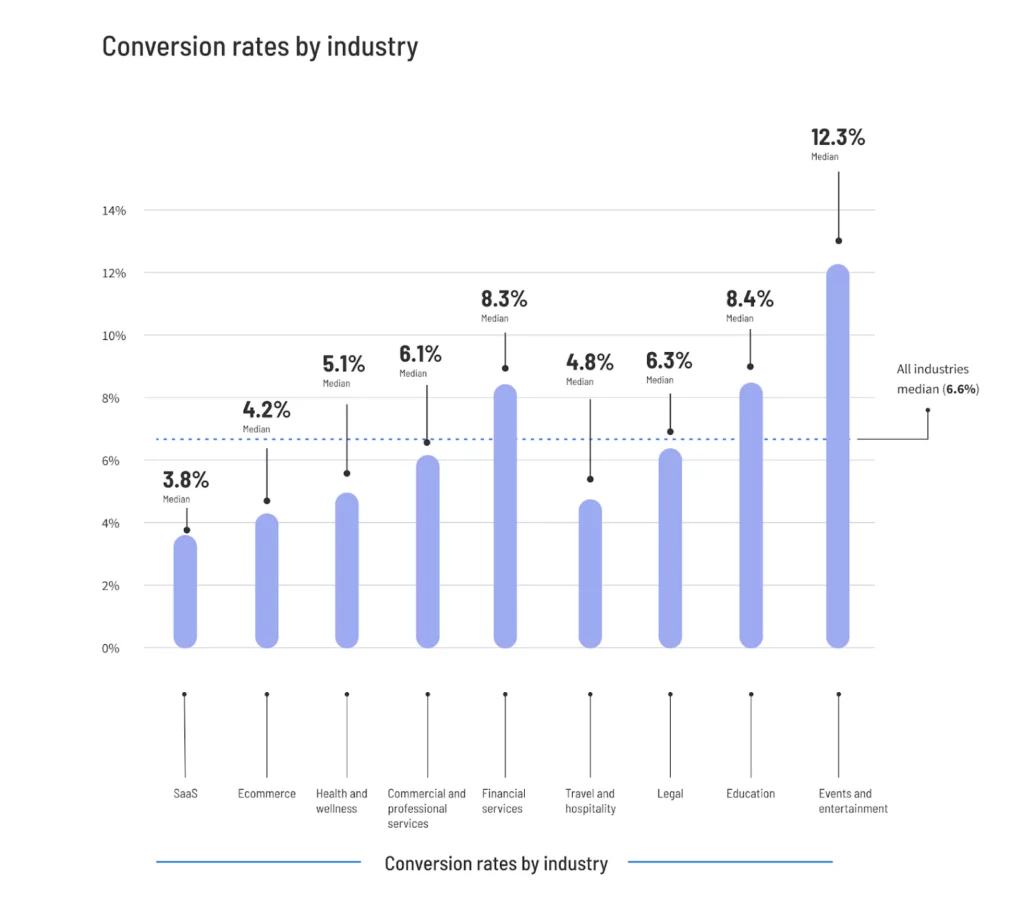
That focused setup is a big reason landing pages for marketing are so common in paid ads, email campaigns, and lead generation. According to Unbounce’s conversion benchmark data, the median landing page conversion rate across industries was 6.6% based on millions of visits and conversions. A strong landing page gives traffic somewhere specific to go, instead of dropping every visitor onto a homepage and hoping they feel adventurous.
Source: Unbounce
A useful definition also appears in this Reddit post, which describes a landing page as a page built to convert traffic from a specific campaign or source. That “specific” part matters more than it might seem.
Landing pages matter because they make campaigns easier to measure, easier to personalize, and easier to improve.
If a business runs one ad for IT support in Austin and another for cybersecurity audits in Chicago, each audience may respond to different headlines, benefits, and calls to action. Sending both groups to the same generic services page can blur the message. Sending them to separate pages, such as support.it.com or audit.it.com, creates a cleaner path from click to conversion.
This is also why marketers often create more than one landing page. HubSpot reports that websites with 10 to 15 landing pages can see 55% more leads than websites with fewer than 10. More pages often mean more relevance. And relevance is usually more persuasive than volume.
For small and medium businesses, a lead generation landing page can also reduce waste. Instead of asking visitors to browse a full site, it presents one clear next step. That makes it easier to test headlines, forms, offers, and layouts over time. If the page underperforms, the business has a smaller, cleaner system to adjust.
Source: Unsplash
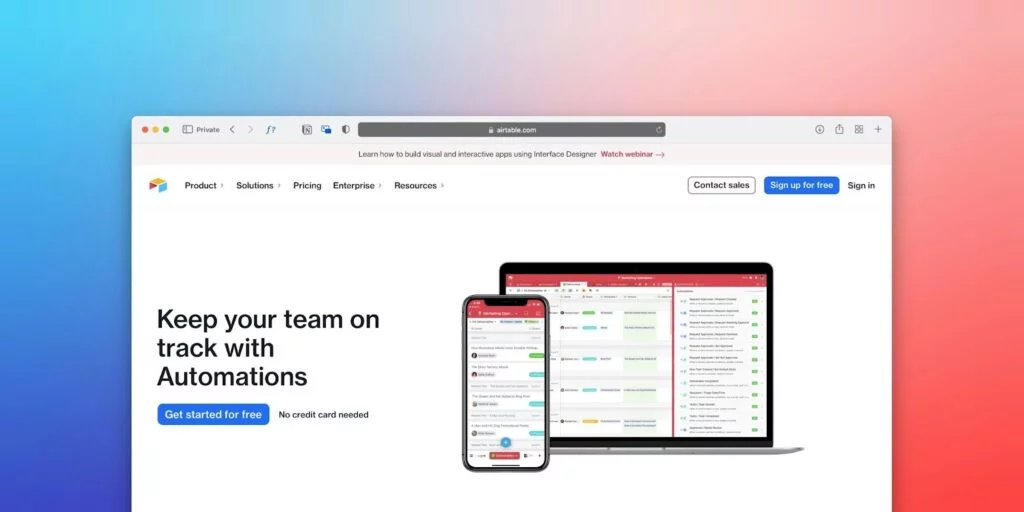
A regular page on a website often supports browsing. A landing page supports action.
A homepage may include navigation menus, blog links, service overviews, testimonials, company background, and a footer with enough links to start a scavenger hunt. A landing page usually strips much of that away. Fewer exits, fewer choices, fewer chances for attention to wander off for a snack.
That distinction matters when planning a website structure. Businesses exploring one-page websites sometimes use separate landing pages for campaigns, while the main site handles broader brand content. It also helps to understand the difference between a domain name vs URL, since a landing page may live on a dedicated URL path like grow.it.com/free-audit or on a campaign-specific subdomain.
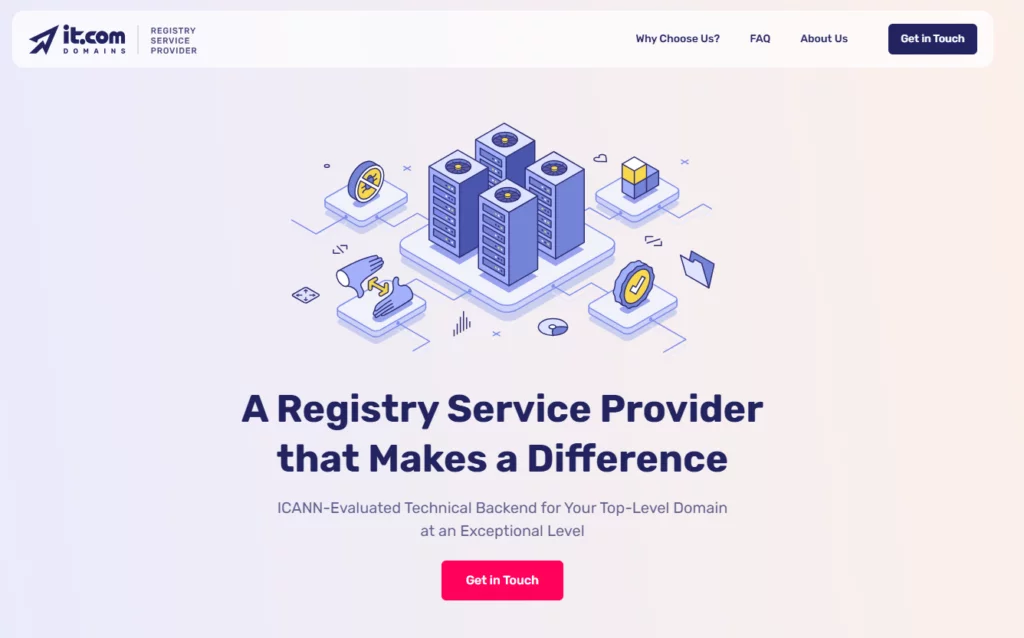
A splash page is a simple introductory page that appears before the main content. It often shares a short message, promotion, or announcement, such as a product launch, location selection, or age verification. While it does not always focus on lead generation, it helps guide visitors into the right part of a website or campaign.
A squeeze page is designed to collect contact details, usually in exchange for something valuable like a free guide, discount, or early access. These pages are minimal by design. They remove distractions and focus on one goal - capturing an email address or basic information. This format is common for lead generation landing page campaigns.
Source: rsp.it.com
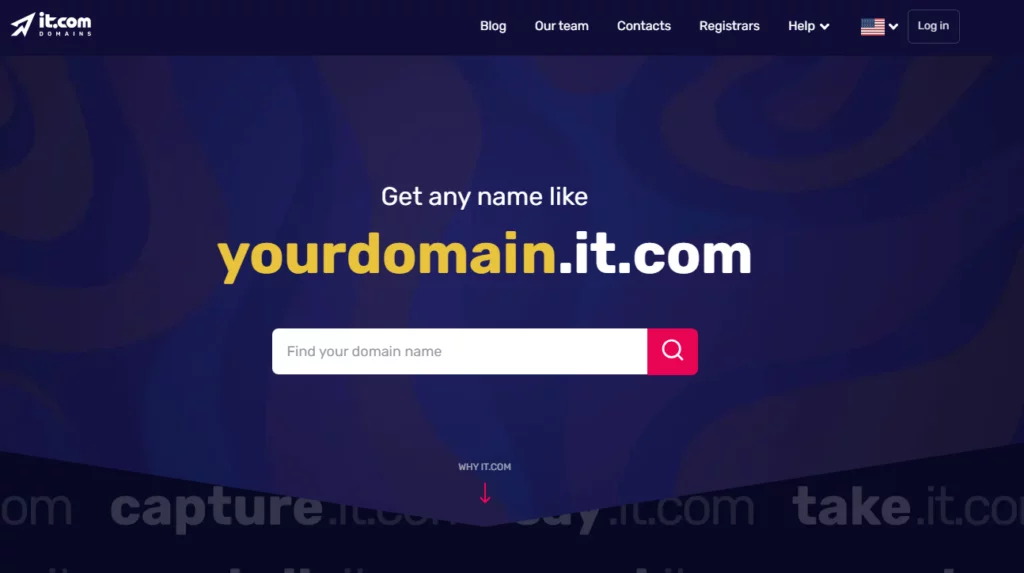
A sales page is built to persuade visitors to make a purchase or commit to an offer directly on the page. It often includes detailed explanations, benefits, testimonials, and answers to common objections. Many landing page examples in ecommerce and digital products follow this format, as it allows businesses to present the full story before asking for a decision.
Source: get.it.com
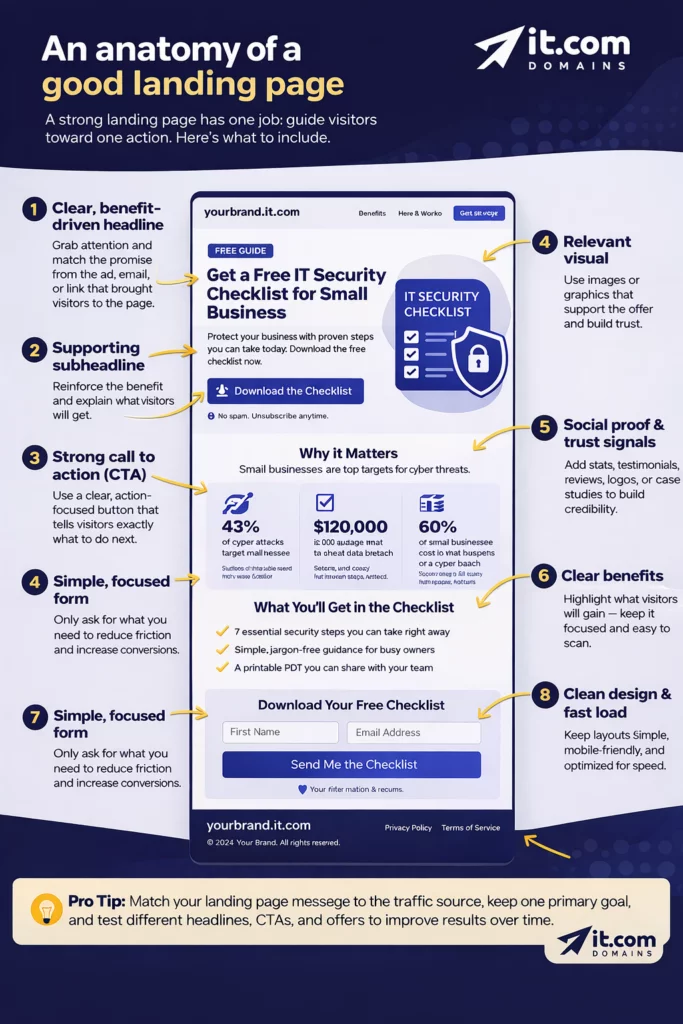
Good landing page examples vary by industry, but most share the same bones:
That last point is not glamorous, but it matters. If a page is hard for search engines to crawl or index, it may struggle to appear in search at all. That is one reason technical basics like page indexing still matter, even for a polished campaign page.
For businesses looking for inspiration, this Reddit discussion shows how marketers compare layouts, clarity, and conversion goals in real-world terms rather than textbook language.
Many small businesses follow a process that looks like this:
Examples include “book a demo,” “get a quote,” “download the guide,” or “join the waitlist.” One page usually performs best when it is built around one action.
A landing page for restaurant software and one for IT consultants may need different language, proof points, and offers, even if the service behind them is similar.
Short, memorable URLs are easier to trust and share. A business might use launch.it.com, crm.it.com, or guide.it.com depending on the campaign. For promotion after launch, related content can support visibility over time, including these content promotion tactics.
This is where AI tools can be practical without becoming the boss of the page. Some businesses now use agentic mode or deep research workflows to speed up research and naming. For example, prompts may include:
Landing pages rarely arrive perfect on day one. Many teams adjust the headline, form length, offer wording, or call-to-action after seeing how real visitors respond.
Landing pages work best when they are specific, measurable, and easy to understand. They give marketing campaigns a focused destination, help businesses test ideas faster, and make lead generation less fuzzy. For small businesses, that clarity can be more valuable than a page filled with every possible detail and three competing buttons.
Source: Pexels
A landing page is a standalone web page created for a specific marketing goal. It is usually tied to an ad, email, social post, or campaign and is designed to encourage one main action, such as signing up, booking, or buying.
The three common types are lead generation landing pages, click-through landing pages, and sales landing pages. Each one supports a different stage of the customer journey, from collecting interest to encouraging a purchase.
A regular website page often supports browsing and exploration, while a landing page is built for one focused action. Landing pages usually have fewer distractions, less navigation, and clearer campaign-specific messaging.
A good landing page usually has a clear headline, one strong call to action, relevant copy, trust signals, and a simple layout that works well on mobile. The best landing page examples also closely match the message that brought the visitor there in the first place.
The process usually starts with one campaign goal, one audience, and one offer. From there, businesses often choose a short URL, write a focused headline and call to action, add proof elements, publish the page, and then test different versions over time.
The cost can range from very low to quite substantial depending on the tools, design needs, copywriting, development time, and whether paid traffic is involved. Some businesses use templates and in-house tools, while others use designers, developers, or agencies for more advanced campaigns.
Need inspiration to grow your business online? Visit it.com Domains blog and contact us on social media.
Continue reading on the it.com Domains blog...
This guide explains what a landing page is, how landing pages for marketing differ from regular website pages, what a good one looks like, and how businesses often build them without turning the process into a small drama.
What Is a Landing Page?
A landing page is a standalone page designed to guide visitors toward one action. That action might be filling out a form, booking a demo, downloading a guide, joining a waitlist, or buying a product. Unlike a homepage, which usually tries to do several jobs at once, a landing page keeps its attention on one offer and one audience.
That focused setup is a big reason landing pages for marketing are so common in paid ads, email campaigns, and lead generation. According to Unbounce’s conversion benchmark data, the median landing page conversion rate across industries was 6.6% based on millions of visits and conversions. A strong landing page gives traffic somewhere specific to go, instead of dropping every visitor onto a homepage and hoping they feel adventurous.
Source: Unbounce
A useful definition also appears in this Reddit post, which describes a landing page as a page built to convert traffic from a specific campaign or source. That “specific” part matters more than it might seem.
Why Landing Pages Matter for Marketing
Landing pages matter because they make campaigns easier to measure, easier to personalize, and easier to improve.
If a business runs one ad for IT support in Austin and another for cybersecurity audits in Chicago, each audience may respond to different headlines, benefits, and calls to action. Sending both groups to the same generic services page can blur the message. Sending them to separate pages, such as support.it.com or audit.it.com, creates a cleaner path from click to conversion.
This is also why marketers often create more than one landing page. HubSpot reports that websites with 10 to 15 landing pages can see 55% more leads than websites with fewer than 10. More pages often mean more relevance. And relevance is usually more persuasive than volume.
For small and medium businesses, a lead generation landing page can also reduce waste. Instead of asking visitors to browse a full site, it presents one clear next step. That makes it easier to test headlines, forms, offers, and layouts over time. If the page underperforms, the business has a smaller, cleaner system to adjust.
Source: Unsplash
Landing Page vs Regular Web Page
A regular page on a website often supports browsing. A landing page supports action.
A homepage may include navigation menus, blog links, service overviews, testimonials, company background, and a footer with enough links to start a scavenger hunt. A landing page usually strips much of that away. Fewer exits, fewer choices, fewer chances for attention to wander off for a snack.
That distinction matters when planning a website structure. Businesses exploring one-page websites sometimes use separate landing pages for campaigns, while the main site handles broader brand content. It also helps to understand the difference between a domain name vs URL, since a landing page may live on a dedicated URL path like grow.it.com/free-audit or on a campaign-specific subdomain.
The Three Common Types of Landing Pages
Splash Pages
A splash page is a simple introductory page that appears before the main content. It often shares a short message, promotion, or announcement, such as a product launch, location selection, or age verification. While it does not always focus on lead generation, it helps guide visitors into the right part of a website or campaign.
Squeeze Pages
A squeeze page is designed to collect contact details, usually in exchange for something valuable like a free guide, discount, or early access. These pages are minimal by design. They remove distractions and focus on one goal - capturing an email address or basic information. This format is common for lead generation landing page campaigns.
Source: rsp.it.com
Sales Pages
A sales page is built to persuade visitors to make a purchase or commit to an offer directly on the page. It often includes detailed explanations, benefits, testimonials, and answers to common objections. Many landing page examples in ecommerce and digital products follow this format, as it allows businesses to present the full story before asking for a decision.
Source: get.it.com
What Good Landing Pages Tend to Include
Good landing page examples vary by industry, but most share the same bones:
- A headline that matches the traffic source
- A clear benefit, not just a clever slogan
- One main call to action
- Helpful proof, such as reviews, case studies, or numbers
- A simple form or button flow
- Mobile-friendly design
- Fast loading and clean indexing
That last point is not glamorous, but it matters. If a page is hard for search engines to crawl or index, it may struggle to appear in search at all. That is one reason technical basics like page indexing still matter, even for a polished campaign page.

For businesses looking for inspiration, this Reddit discussion shows how marketers compare layouts, clarity, and conversion goals in real-world terms rather than textbook language.
How to Create a Landing Page
Many small businesses follow a process that looks like this:
1. Define One Campaign Goal
Examples include “book a demo,” “get a quote,” “download the guide,” or “join the waitlist.” One page usually performs best when it is built around one action.
2. Match the Page to a Specific Audience
A landing page for restaurant software and one for IT consultants may need different language, proof points, and offers, even if the service behind them is similar.
3. Choose a Clean Page Name and Domain Setup
Short, memorable URLs are easier to trust and share. A business might use launch.it.com, crm.it.com, or guide.it.com depending on the campaign. For promotion after launch, related content can support visibility over time, including these content promotion tactics.
4. Build the First Draft, then Refine It
This is where AI tools can be practical without becoming the boss of the page. Some businesses now use agentic mode or deep research workflows to speed up research and naming. For example, prompts may include:
- “Generate 20 landing page headline options for a cybersecurity checklist aimed at US small businesses.”
- “Compare domain name options for a lead generation landing page and rank them by clarity, memorability, and brand fit.”
- “Research how competitors structure landing page examples for IT support services.”
- “Suggest concise CTAs for a page offering a free website audit.”
5. Test and Improve
Landing pages rarely arrive perfect on day one. Many teams adjust the headline, form length, offer wording, or call-to-action after seeing how real visitors respond.
Landing pages work best when they are specific, measurable, and easy to understand. They give marketing campaigns a focused destination, help businesses test ideas faster, and make lead generation less fuzzy. For small businesses, that clarity can be more valuable than a page filled with every possible detail and three competing buttons.
Source: Pexels
FAQs
What is a landing page?
A landing page is a standalone web page created for a specific marketing goal. It is usually tied to an ad, email, social post, or campaign and is designed to encourage one main action, such as signing up, booking, or buying.
What are the three types of landing pages?
The three common types are lead generation landing pages, click-through landing pages, and sales landing pages. Each one supports a different stage of the customer journey, from collecting interest to encouraging a purchase.
What’s the difference between a page and a landing page?
A regular website page often supports browsing and exploration, while a landing page is built for one focused action. Landing pages usually have fewer distractions, less navigation, and clearer campaign-specific messaging.
What does a good landing page look like?
A good landing page usually has a clear headline, one strong call to action, relevant copy, trust signals, and a simple layout that works well on mobile. The best landing page examples also closely match the message that brought the visitor there in the first place.
How do I create a landing page?
The process usually starts with one campaign goal, one audience, and one offer. From there, businesses often choose a short URL, write a focused headline and call to action, add proof elements, publish the page, and then test different versions over time.
How much does a landing page cost?
The cost can range from very low to quite substantial depending on the tools, design needs, copywriting, development time, and whether paid traffic is involved. Some businesses use templates and in-house tools, while others use designers, developers, or agencies for more advanced campaigns.
Need inspiration to grow your business online? Visit it.com Domains blog and contact us on social media.
Continue reading on the it.com Domains blog...



